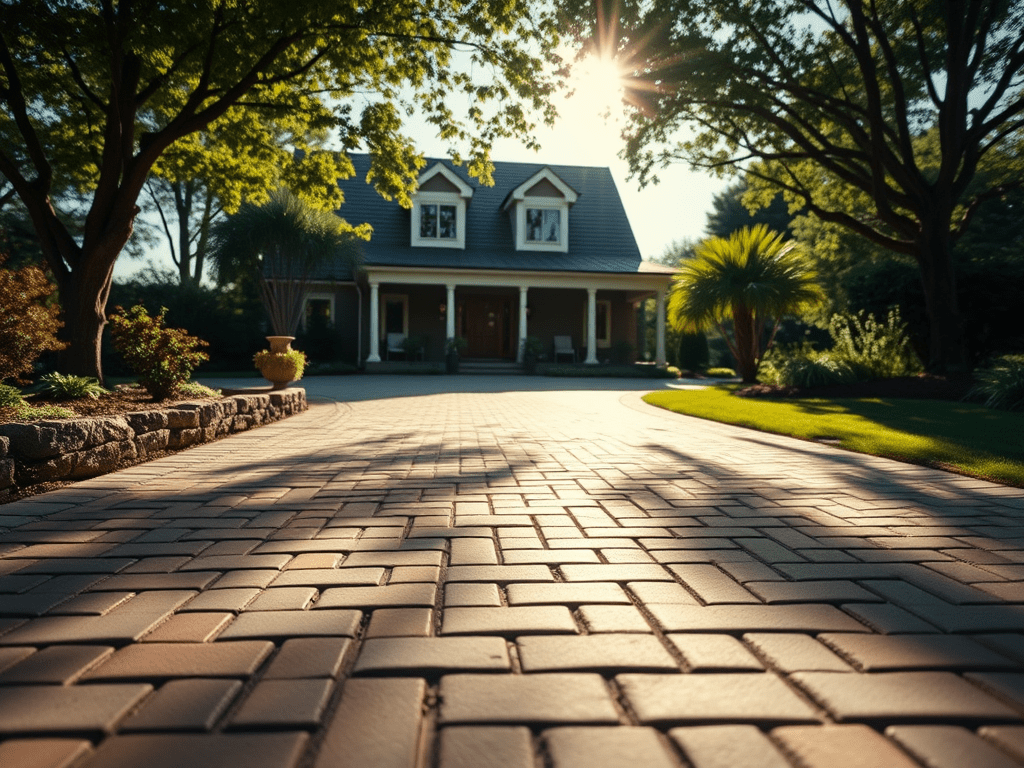
When it comes to selecting the right driveway material, homeowners are often torn between concrete, pavers, permeable pavers, and asphalt. Each has its pros and cons, but at GO Masonry, we believe that paver driveways are hands down the best option, while asphalt driveways fall short in many key areas. Let’s take a look at how these materials compare, and why pavers reign supreme.
1. Asphalt Driveways: The Budget-Friendly Choice (But Not the Best)
Asphalt is often the first choice for those seeking a low-cost driveway solution. It’s relatively cheap to install and can be done quickly, but that’s where the benefits end.
- Aesthetics: Asphalt is plain and utilitarian. It has a very basic, black finish that doesn’t add much curb appeal to your home. Over time, it fades and cracks, making it look worse as the years go by.
- Durability: Asphalt is susceptible to damage from weather extremes. In hot temperatures, it can soften and deform, while in colder climates, the freeze-thaw cycle can lead to cracks and potholes.
- Maintenance: Asphalt requires regular sealing every few years to maintain its appearance and function. Without it, the surface deteriorates quickly, leading to costly repairs.
- Environmental Impact: Asphalt contributes to the “urban heat island” effect because it retains heat, and it doesn’t allow water to drain, increasing the risk of runoff and flooding.
Verdict: While asphalt may be inexpensive, it’s a short-term solution with high long-term maintenance costs. Its lack of aesthetics and durability makes it the least desirable option for a driveway.

2. Concrete Driveways: A Step Up, but Not the Best
Concrete driveways offer better durability and appearance than asphalt, but they still have some significant drawbacks.
- Aesthetics: Concrete provides a clean, smooth look that is more visually appealing than asphalt. However, it lacks design flexibility, with few color or pattern options, and it can stain easily from oil and dirt.
- Durability: While concrete is durable, it’s prone to cracking over time, especially in areas with significant freeze-thaw cycles. Repairs can be costly and disruptive.
- Maintenance: Concrete requires less maintenance than asphalt, but when cracks appear, they’re difficult and expensive to fix. It’s also prone to discoloration and staining.
- Environmental Impact: Concrete is less heat-absorbent than asphalt but still isn’t permeable. This leads to water runoff issues, which can contribute to erosion and local flooding.
Verdict: Concrete is a decent option if you’re looking for a more durable material than asphalt, but its tendency to crack and lack of design versatility means it doesn’t stand out as the best choice.

3. Permeable Pavers: The Eco-Friendly Contender
Permeable pavers are gaining popularity for their environmental benefits and durability, making them an excellent choice for many homeowners.
- Aesthetics: Like regular pavers, permeable pavers come in a wide range of colors, shapes, and patterns, offering significant design flexibility to match the style of your home. They look much more upscale than concrete or asphalt.
- Durability: These pavers are highly durable and can withstand the stresses of freeze-thaw cycles better than concrete or asphalt. They’re designed to last decades with minimal upkeep.
- Maintenance: Permeable pavers require occasional cleaning to prevent debris from clogging the joints, but beyond that, they need very little maintenance. Plus, individual pavers can be replaced easily if they become damaged.
- Environmental Impact: This is where permeable pavers truly shine. They allow water to seep into the ground, reducing runoff and helping to recharge the groundwater. This makes them a fantastic option for environmentally-conscious homeowners.
Verdict: Permeable pavers are an excellent choice for those looking to balance durability, aesthetics, and environmental sustainability. They perform well in all categories, making them a top contender for any driveway.

4. Paver Driveways: The Best of the Best
Finally, we arrive at the winner—paver driveways. When it comes to a combination of beauty, durability, and low maintenance, pavers are unbeatable.
- Aesthetics: Pavers offer the most design versatility by far. You can choose from a variety of colors, shapes, and patterns to create a truly unique driveway that complements your home’s architecture. Whether you’re looking for a traditional or modern look, pavers can deliver.
- Durability: Pavers are incredibly strong and can handle heavy loads without cracking. Unlike concrete and asphalt, which are prone to damage over time, pavers are built to last for decades with minimal repairs.
- Maintenance: The beauty of pavers is that if one or a few get damaged, they can be easily replaced without disrupting the rest of the driveway. There’s no need for expensive resurfacing or sealing, and basic cleaning is all that’s required to keep them looking great.
- Environmental Impact: While permeable pavers are specifically designed for drainage, standard pavers can also help reduce runoff when installed with proper drainage channels. They’re a solid eco-friendly choice compared to concrete or asphalt.
Verdict: Paver driveways offer the best combination of durability, aesthetics, and low maintenance. While they may come with a higher upfront cost, their long-term benefits make them the superior investment for your home.

Conclusion: Pavers Win, Asphalt Loses
When it comes to choosing the best driveway for your home, pavers are the clear winner. They offer unmatched durability, design flexibility, and minimal maintenance, all while providing a boost to your home’s curb appeal. While asphalt may be the cheapest option initially, its short lifespan and high maintenance costs make it the least desirable choice.
If you’re looking to enhance the beauty and functionality of your home’s driveway, GO Masonry recommends pavers as the top choice. Let us help you create a driveway that not only lasts but also elevates the look of your home for years to come.